
California Sunshine Acid: History, Pharmacology, and Scientific Context
What Is California Sunshine Acid?
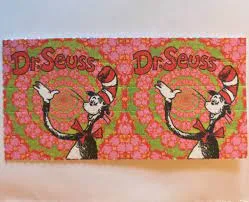
California Sunshine Acid is an informal historical term associated with LSD-25 blotter artwork and the West Coast psychedelic movement. It is not a chemically distinct form of LSD. Laboratory testing is required to verify identity, concentration, and purity. Artwork, branding, and historical naming conventions provide no pharmacological information.
Key Takeaways
- California Sunshine Acid is a cultural and historical term, not a scientifically recognized chemical classification
- The active compound, when present, is lysergic acid diethylamide (LSD-25)—identical in pharmacology to any other verified LSD preparation
- Blotter artwork and branding cannot confirm chemical identity, concentration, or purity under any circumstances
- LSD primarily acts through serotonin 5-HT2A receptor agonism, with additional activity across dopamine and adrenergic receptor families
- Validated analytical methods—LC-MS, GC-MS, HPLC, and NMR—are required for compound verification
- Orange Sunshine and California Sunshine are historical cultural designations, not distinct chemical compounds
- Harm reduction, laboratory verification, and legal awareness are central to any responsible evidence-based discussion of LSD
- Legal status varies by jurisdiction and must be confirmed through official government sources

Reviews
There are no reviews yet.