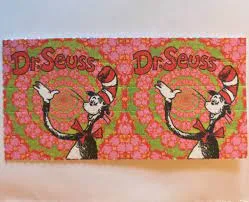
Dr Seuss Acid: Blotter Art, Pharmacology, and Scientific Context
What Is Dr Seuss Acid?
Dr Seuss acid is an informal name associated with LSD-25 blotter artwork and underground branding rather than a scientifically distinct form of lysergic acid diethylamide. Artwork, naming conventions, and version designations such as Dr Seuss 3.0 cannot verify chemical identity, concentration, or purity. Laboratory testing is required to confirm the composition of any sample.
Key Takeaways
- This preparation is a cultural branding term applied to LSD-25 blotter artwork, not a chemically distinct compound
- Designations such as Dr Seuss 3.0 LSD carry no scientific meaning and cannot be validated by any analytical method
- The active compound, when present and verified, is lysergic acid diethylamide (LSD-25)—pharmacologically identical to any other verified LSD preparation
- Blotter artwork, version numbers, and underground branding provide zero information about chemical identity, concentration, or purity
- LSD primarily acts through serotonin 5-HT2A receptor agonism, with additional binding across dopamine and adrenergic receptor families
- Validated analytical methods—LC-MS, GC-MS, HPLC, and NMR—are the only scientifically reliable tools for compound verification
- Research into LSD and creativity has produced mixed findings; no controlled evidence supports consistent enhancement of creative output
- Many online review discussions describe subjective experiences, but anecdotal reports should not be treated as evidence of purity or pharmacological differences
- Legal status varies by jurisdiction and must be confirmed through official government sources


Reviews
There are no reviews yet.